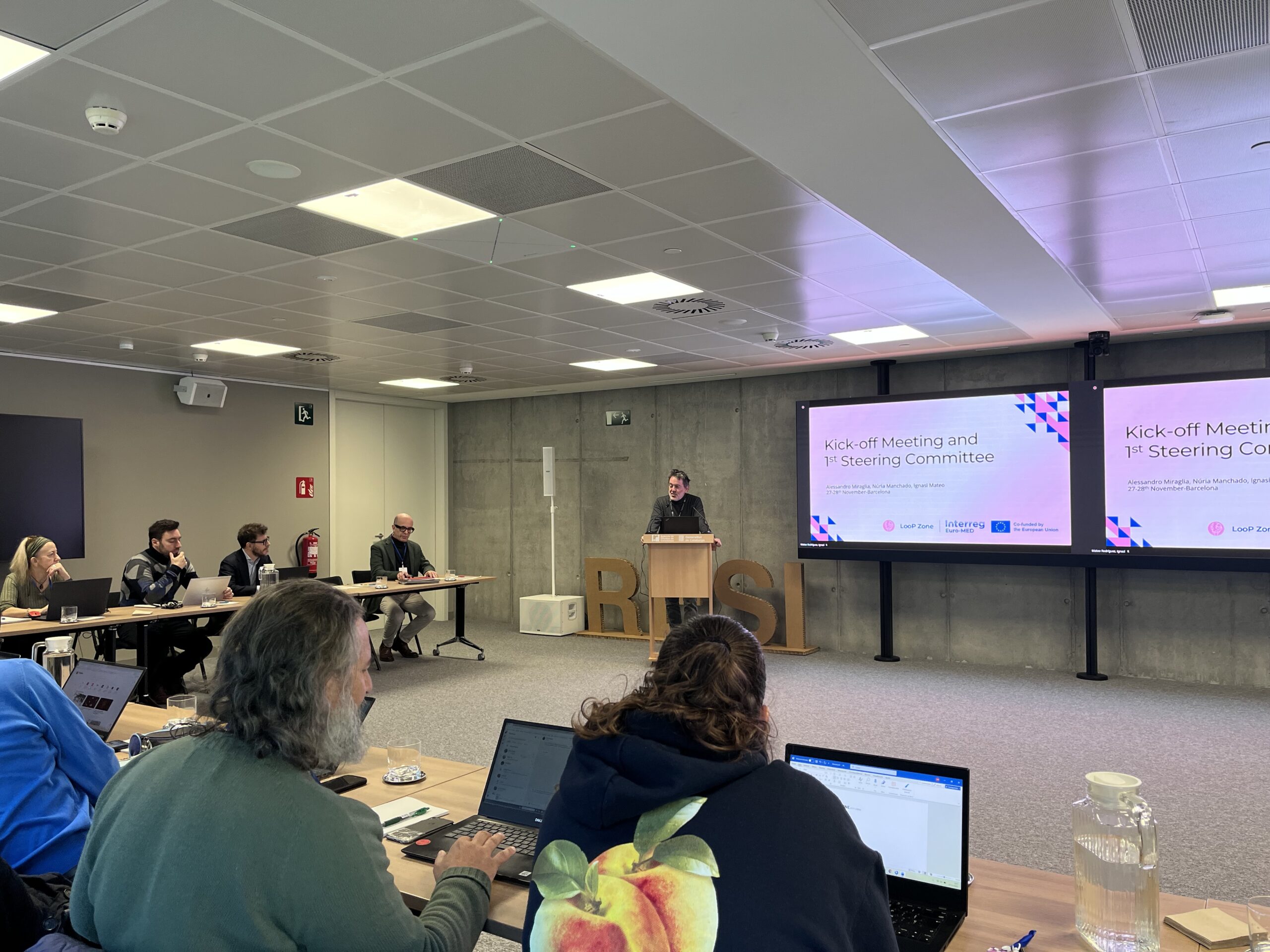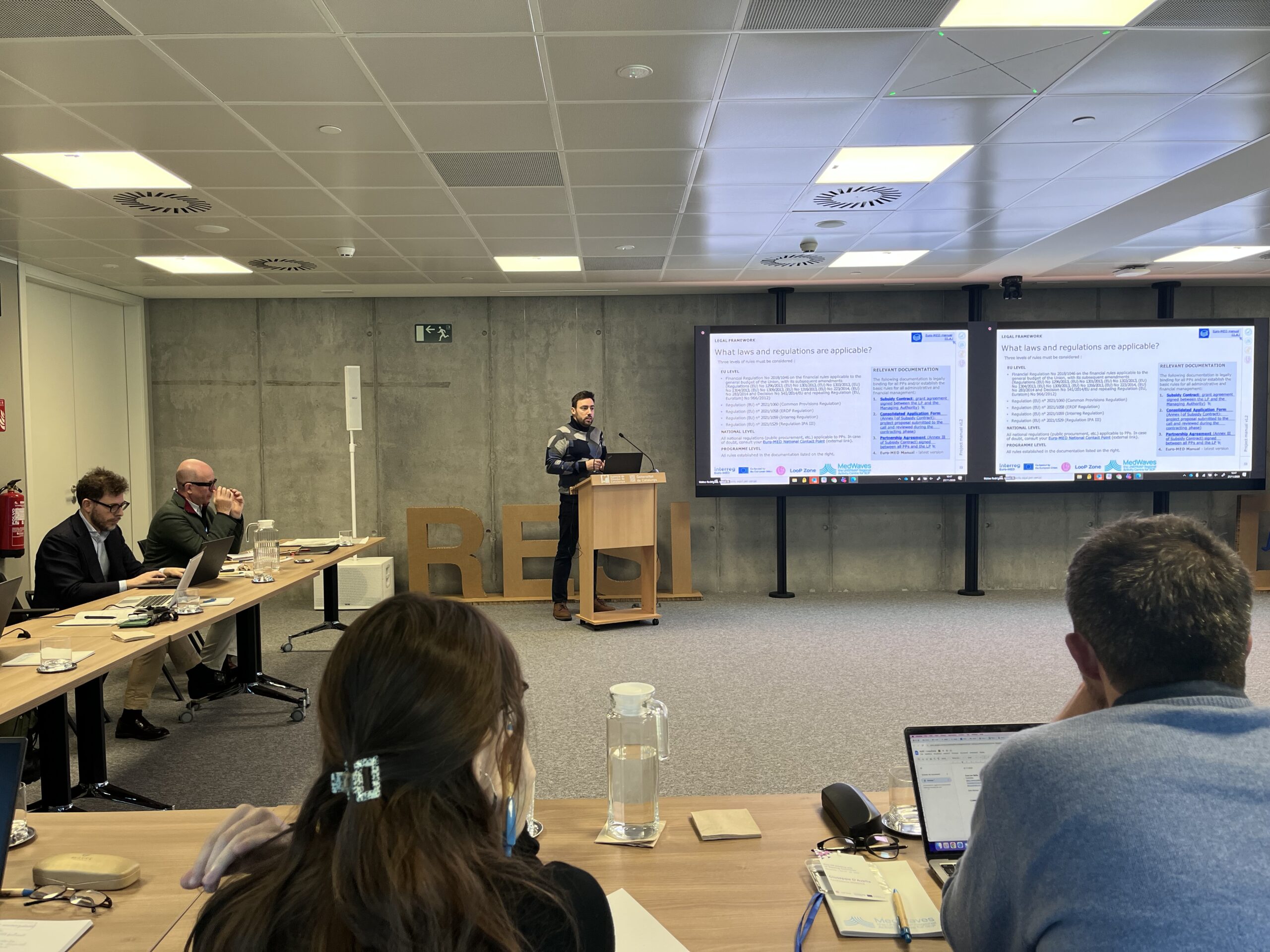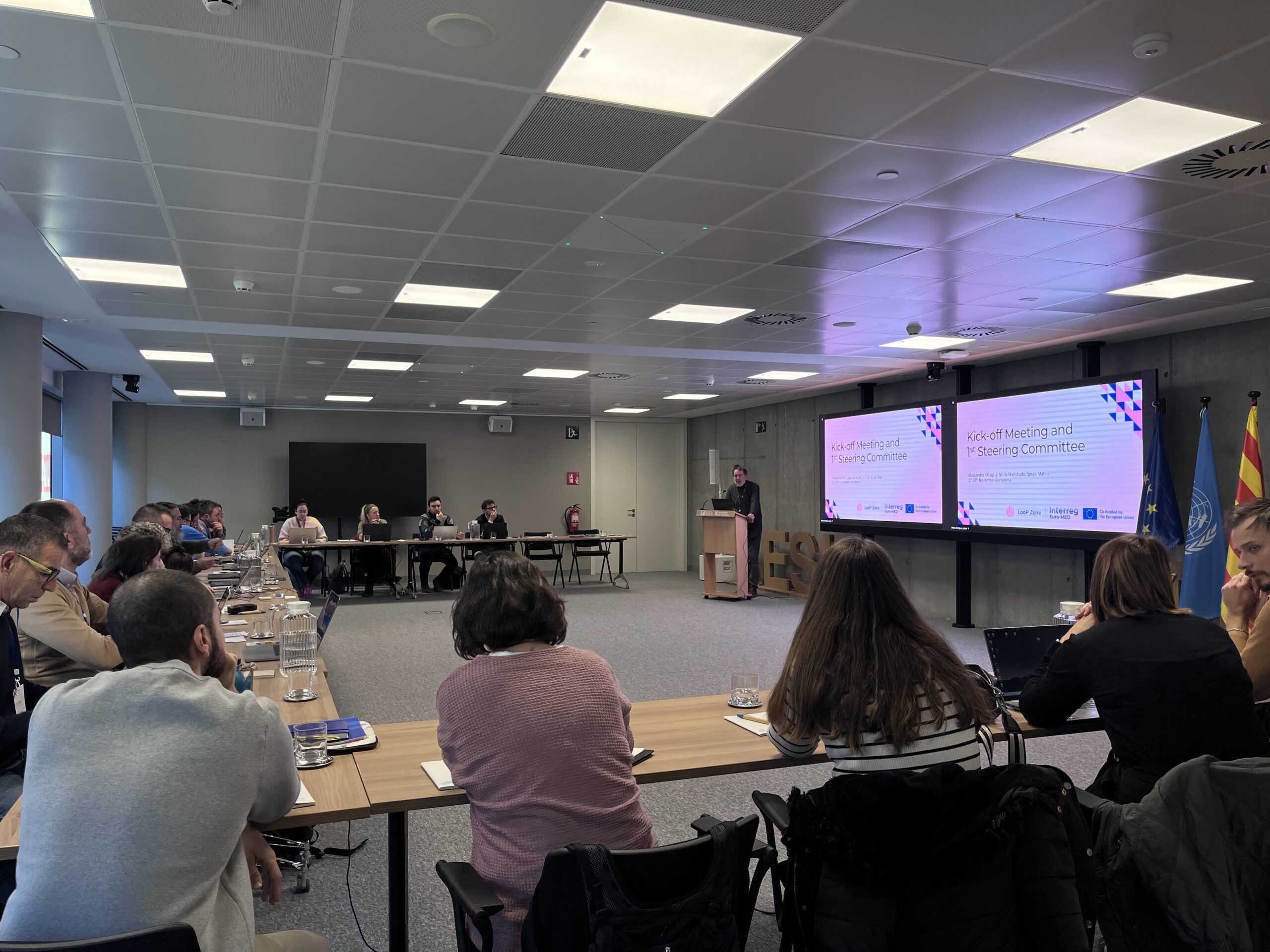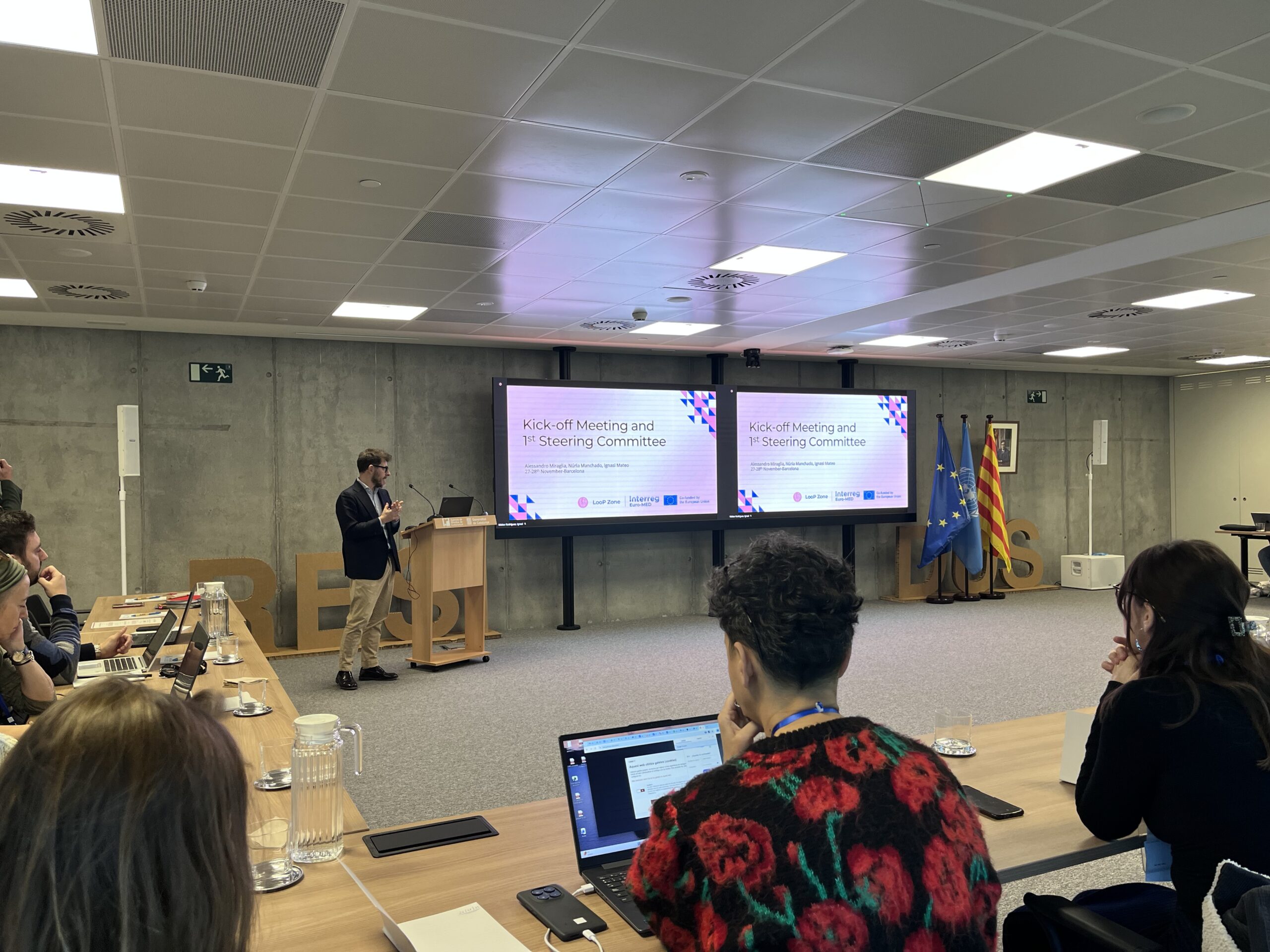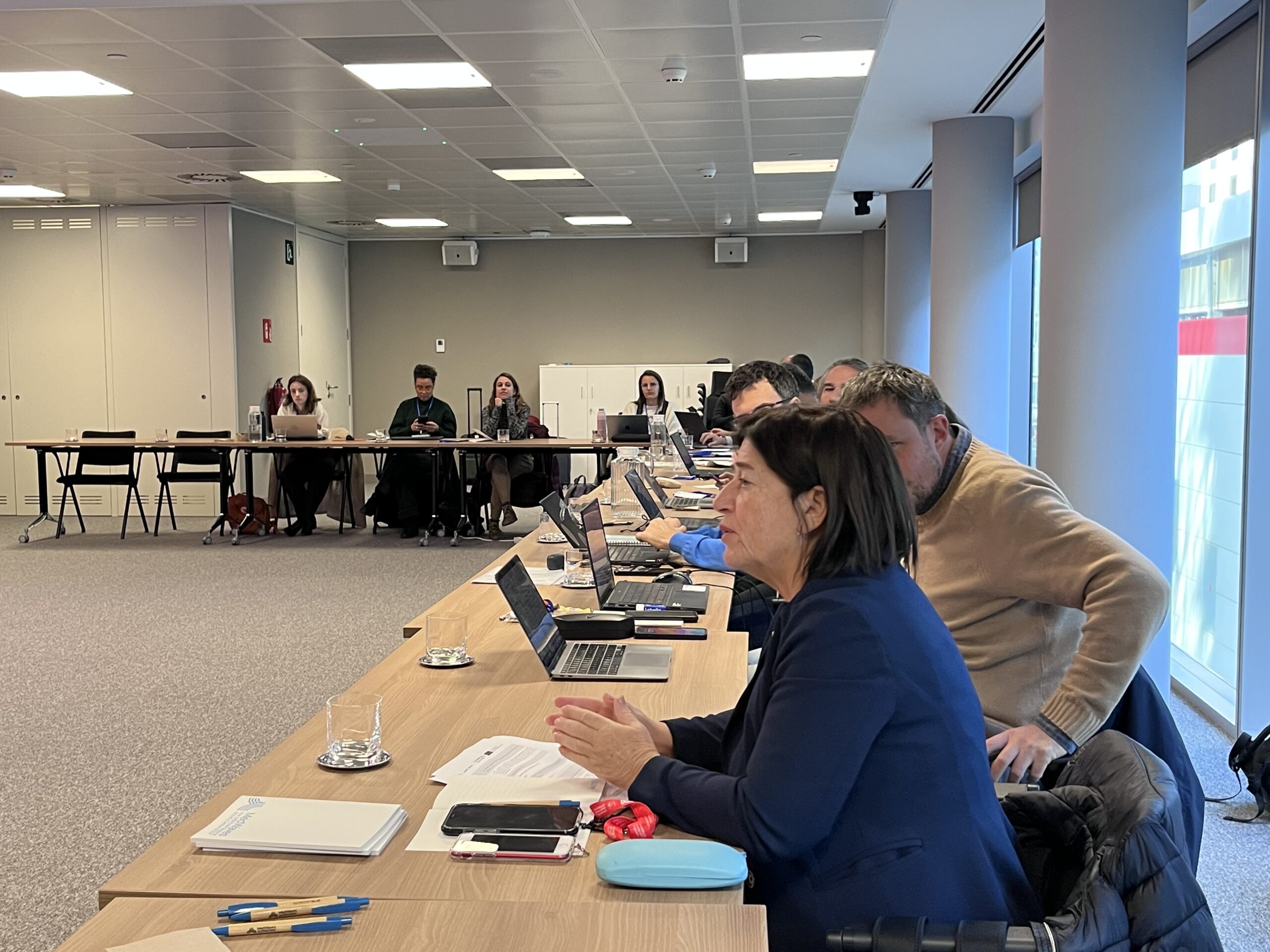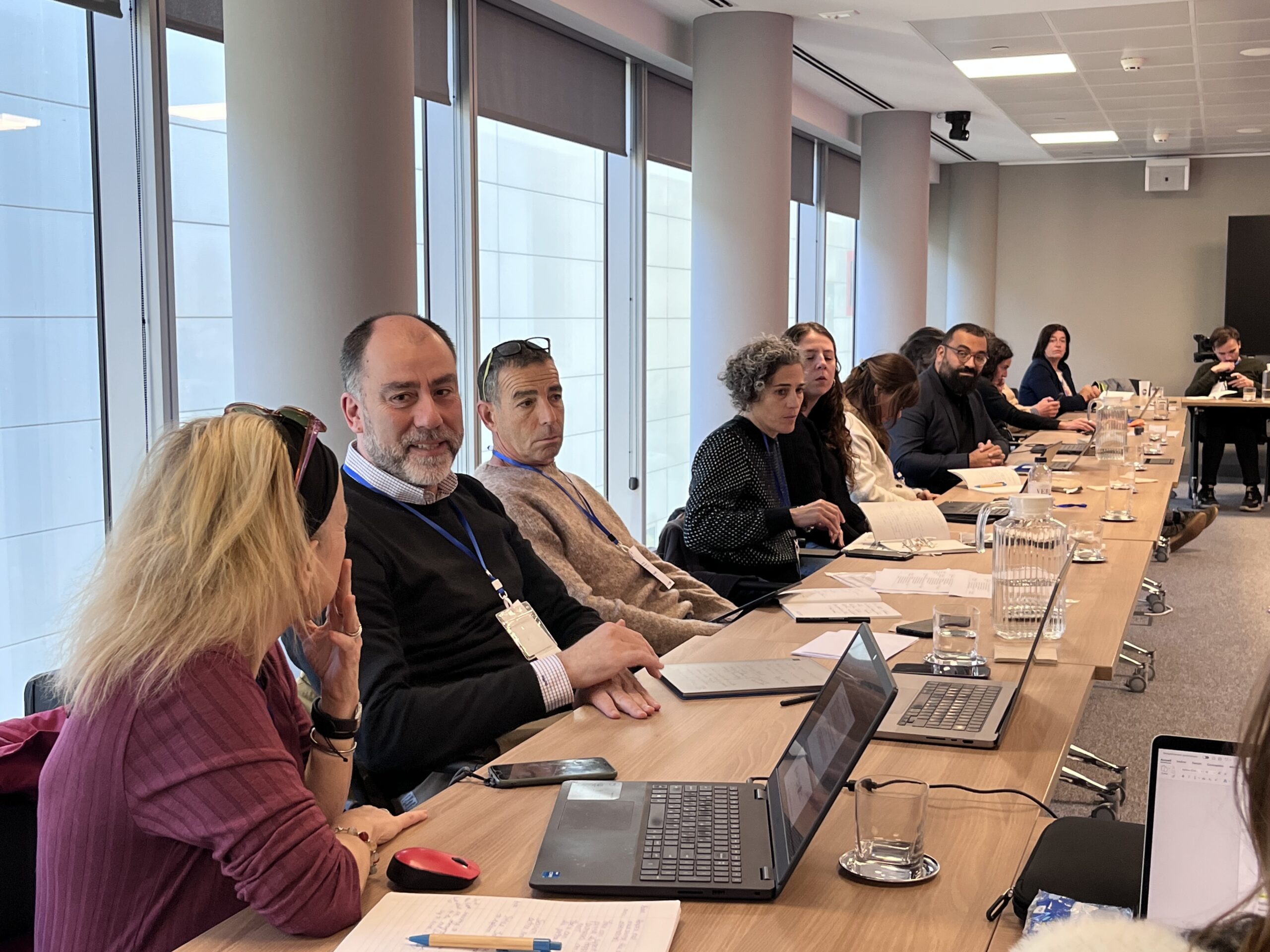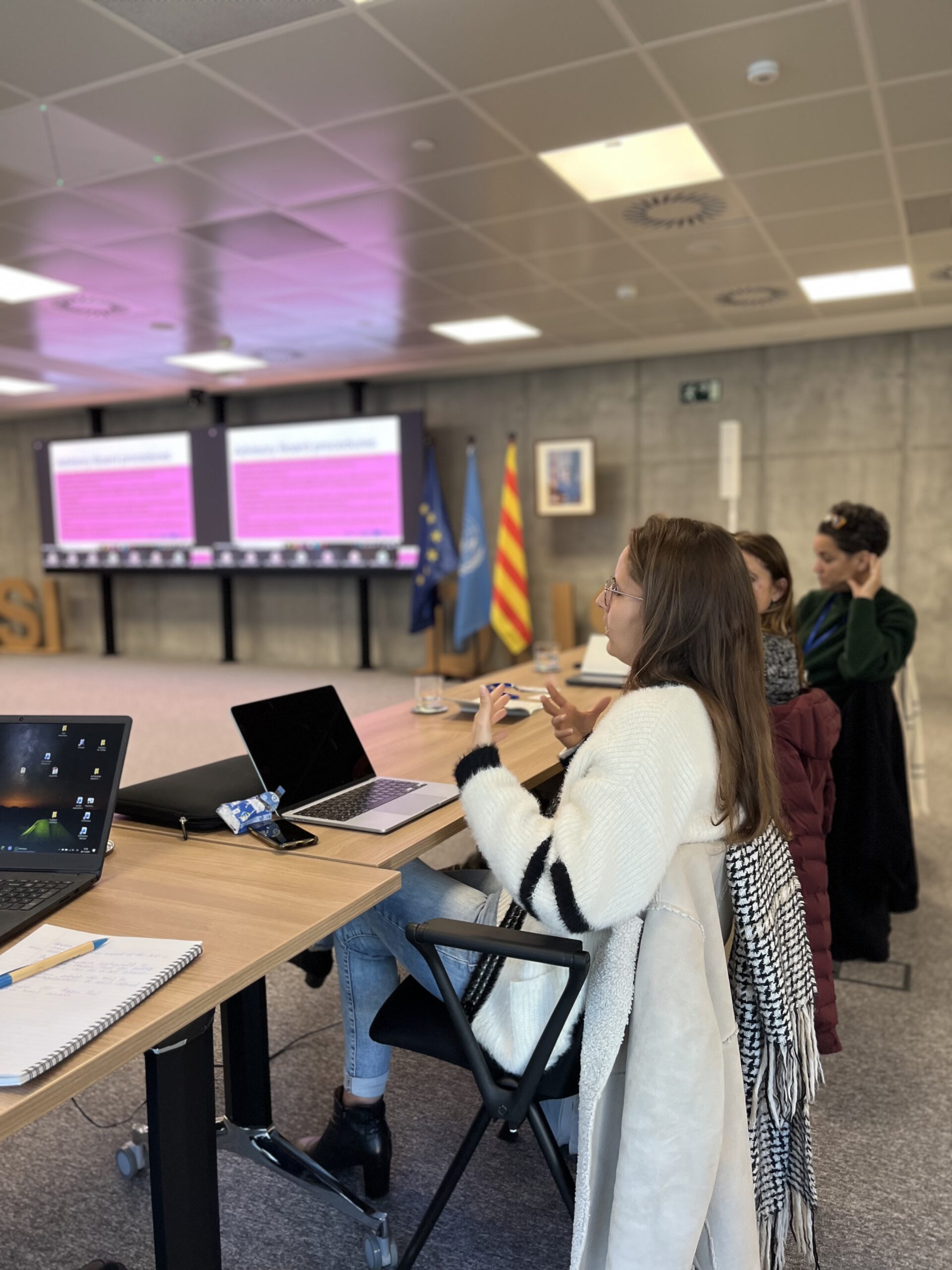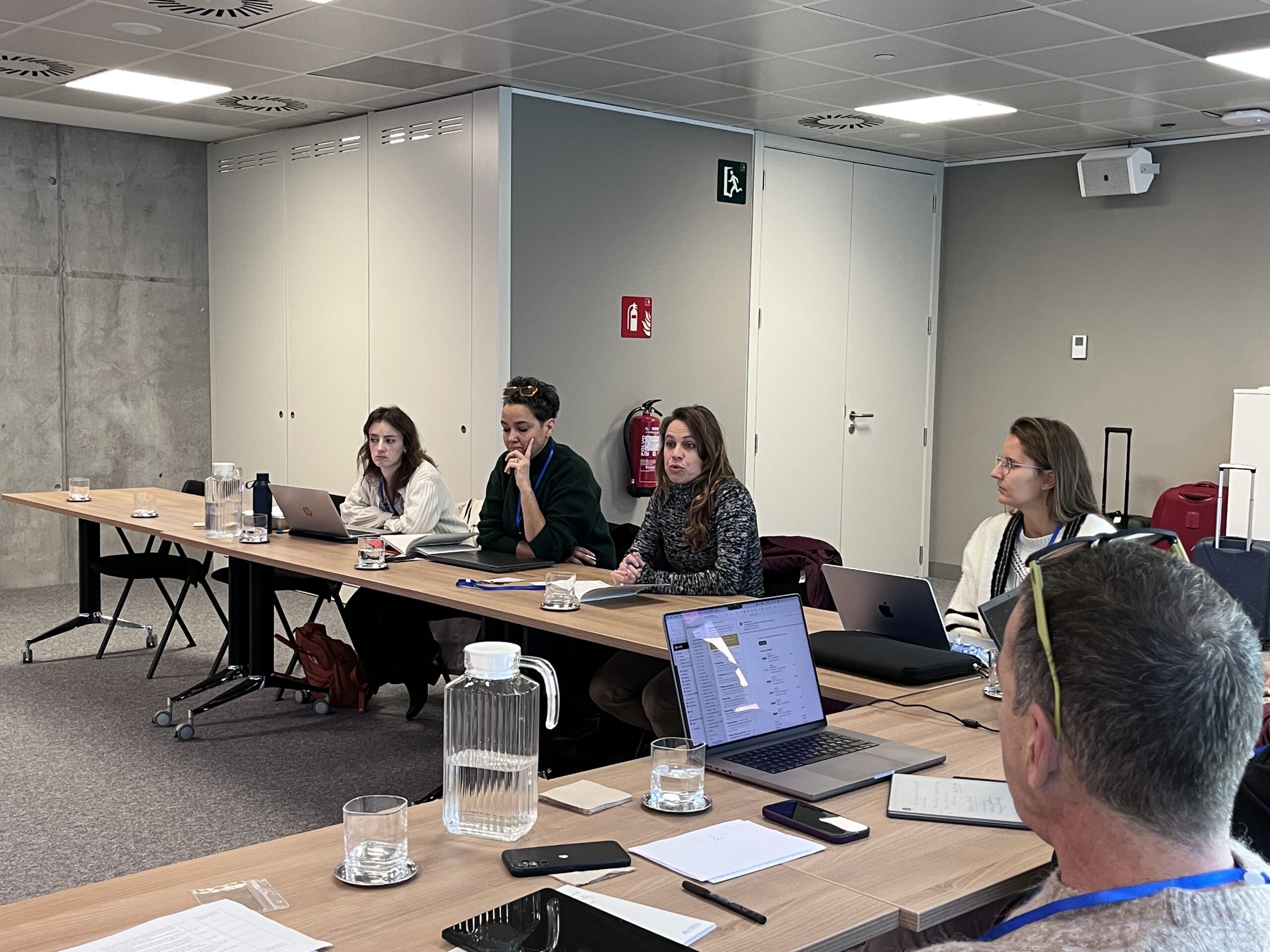

The LooP Zone project, financed through the Interreg Euro-MED Programme under its Sustainable Tourism Mission, officially launched in November 27-28, 2025 with a Kick-off Meeting in Barcelona, bringing together partners from six Mediterranean countries committed to tackling plastic pollution on tourist islands.
The LooP Zone project, financed through the Interreg Euro-MED Programme under the mission “Sustainable Tourism,” officially launched in November 2025 with a two-day Kick-off Meeting in Barcelona. The consortium -made up of partners from six Mediterranean countries- gathered onsite and online to begin shaping an ambitious joint effort to reduce plastic pollution on Mediterranean islands by promoting Low Plastic Zones.
This 45-month project, with a budget of nearly €4 million, aims to transform plastic consumption patterns in tourism, one of the Mediterranean’s most resource-intensive sectors. At the heart of the initiative lies a clear objective: help tourist islands reduce their dependency on single-use plastics (SUPs) while strengthening circular-economy solutions among municipalities, tourism operators, policy makers, and local businesses.
LooP Zone will support the creation and testing of innovative tools, methodologies, and policy models across multiple pilot islands. The project is structured around three core Work Packages: 🔍 STUDY – ⚙️ TEST – 🔄 TRANSFER, ensuring a logical pathway from research and piloting to replicability across the Mediterranean.
HIGHTLIGHTS FROM THE KICK-OFF MEETING
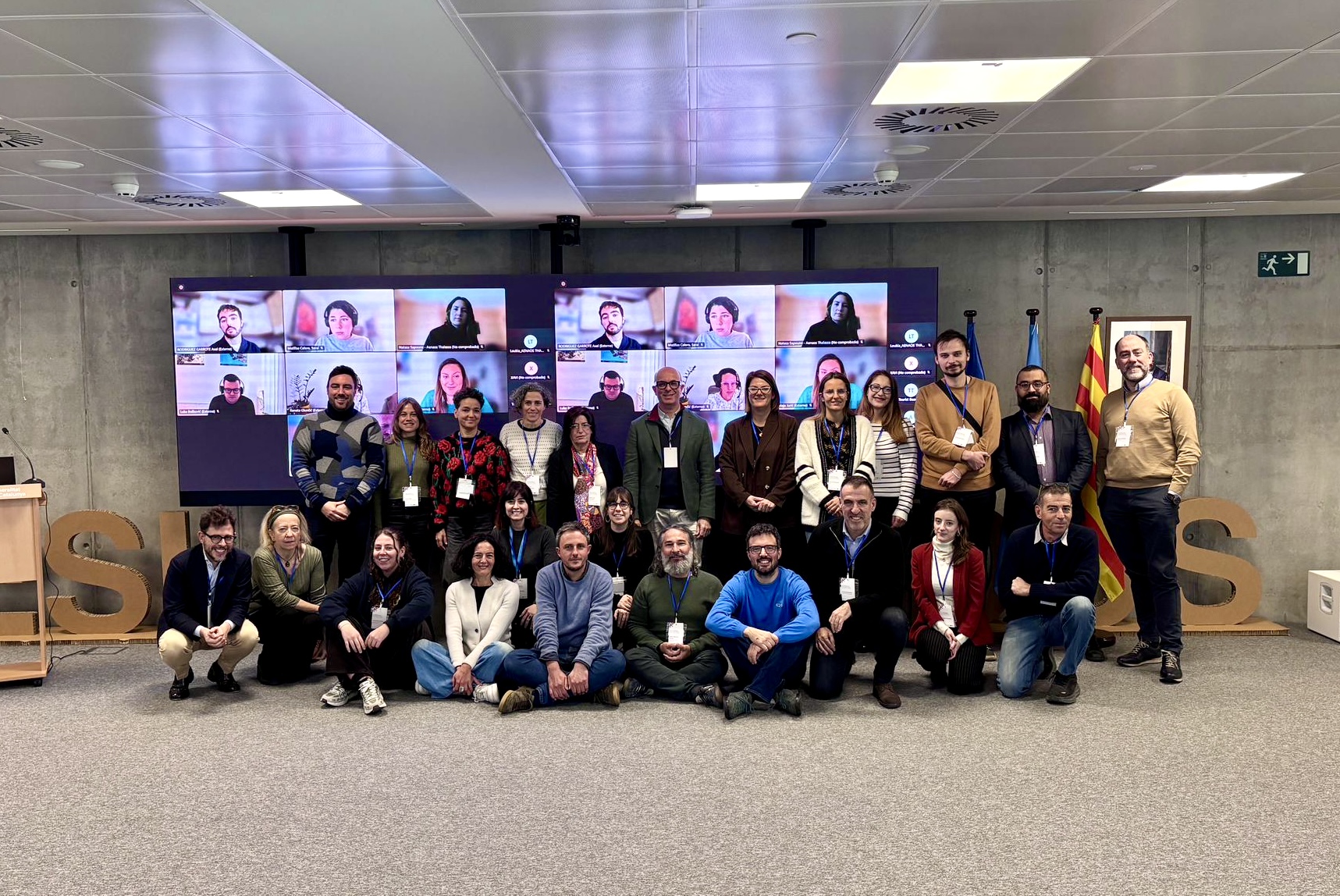
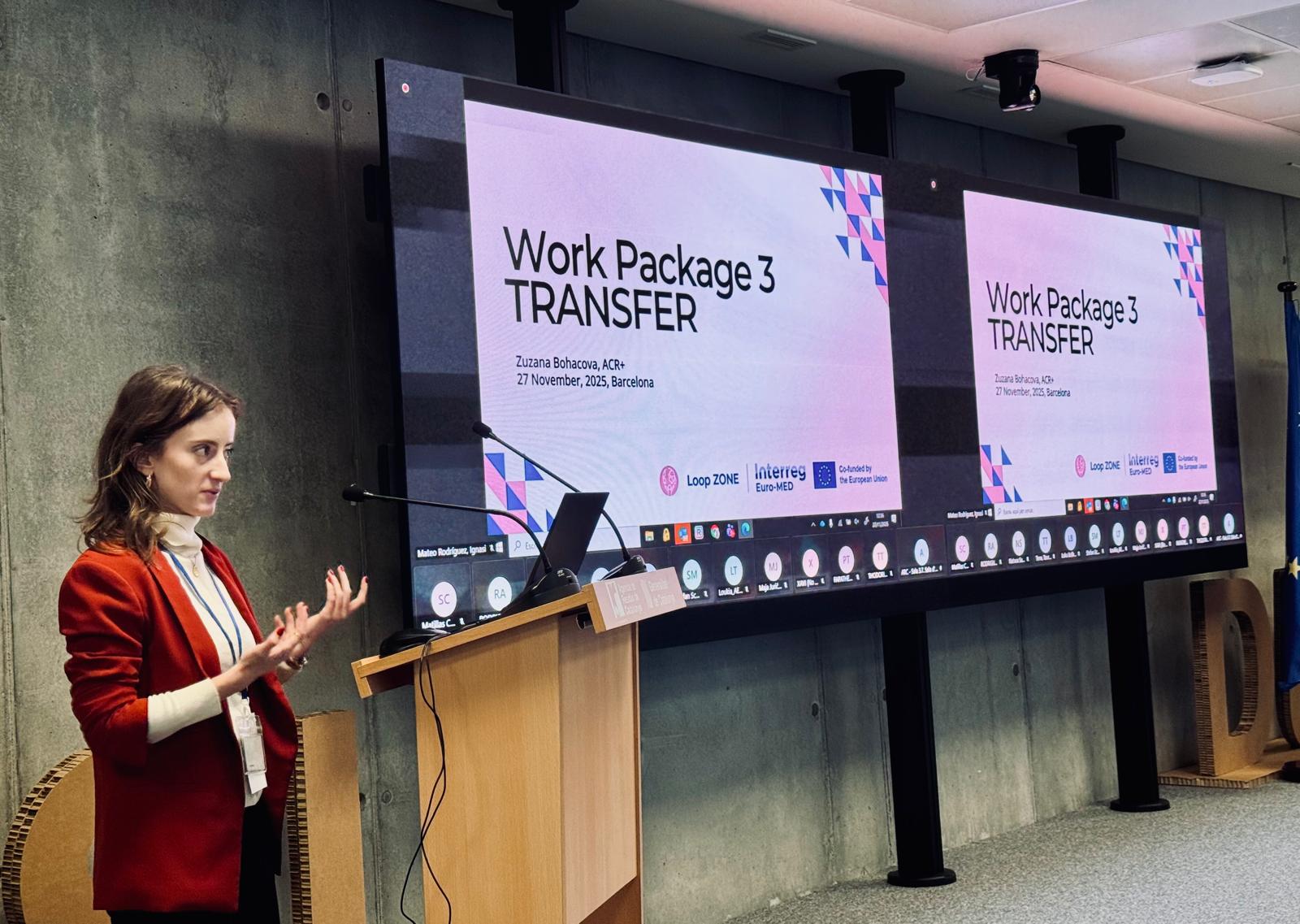
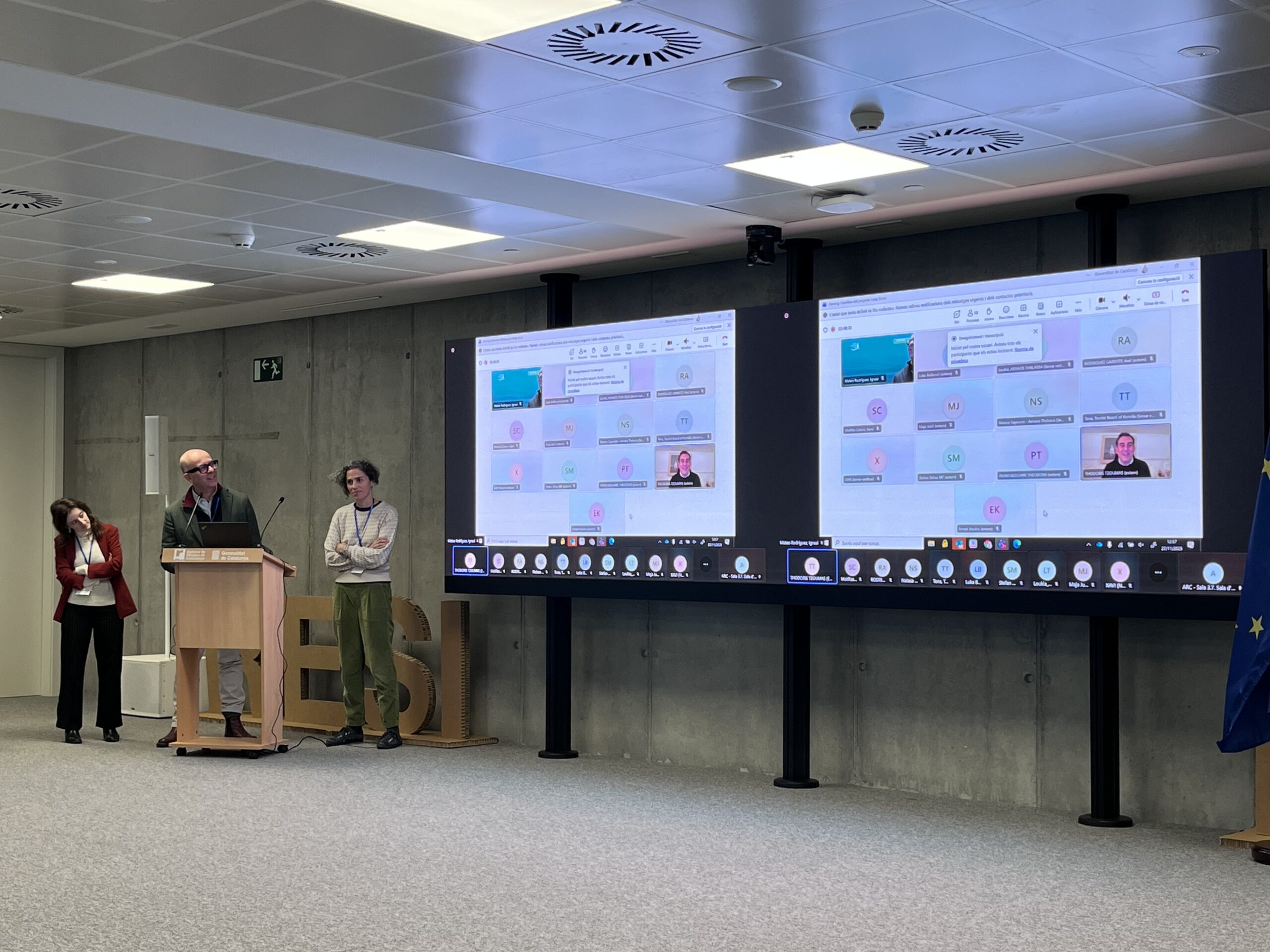
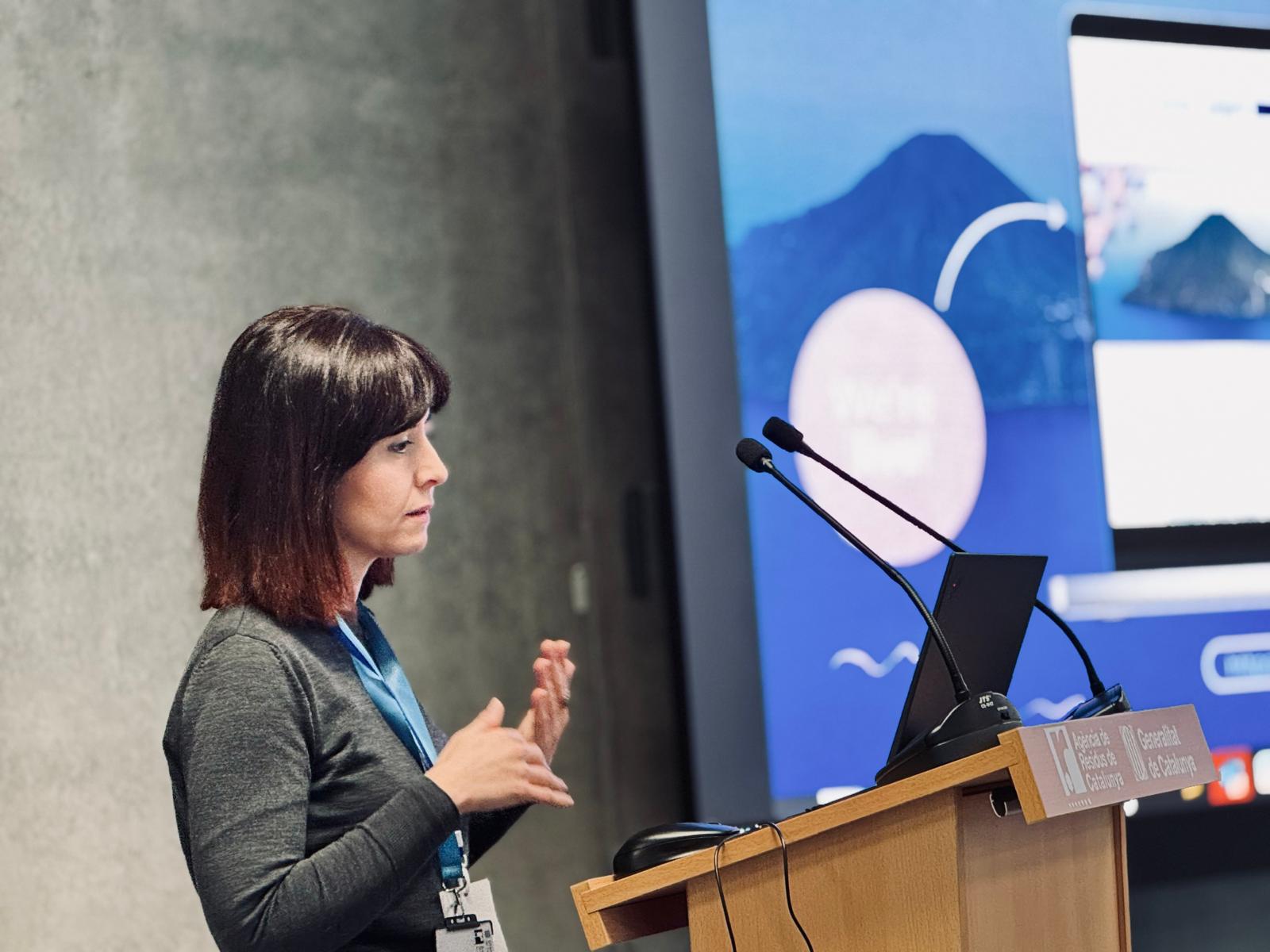
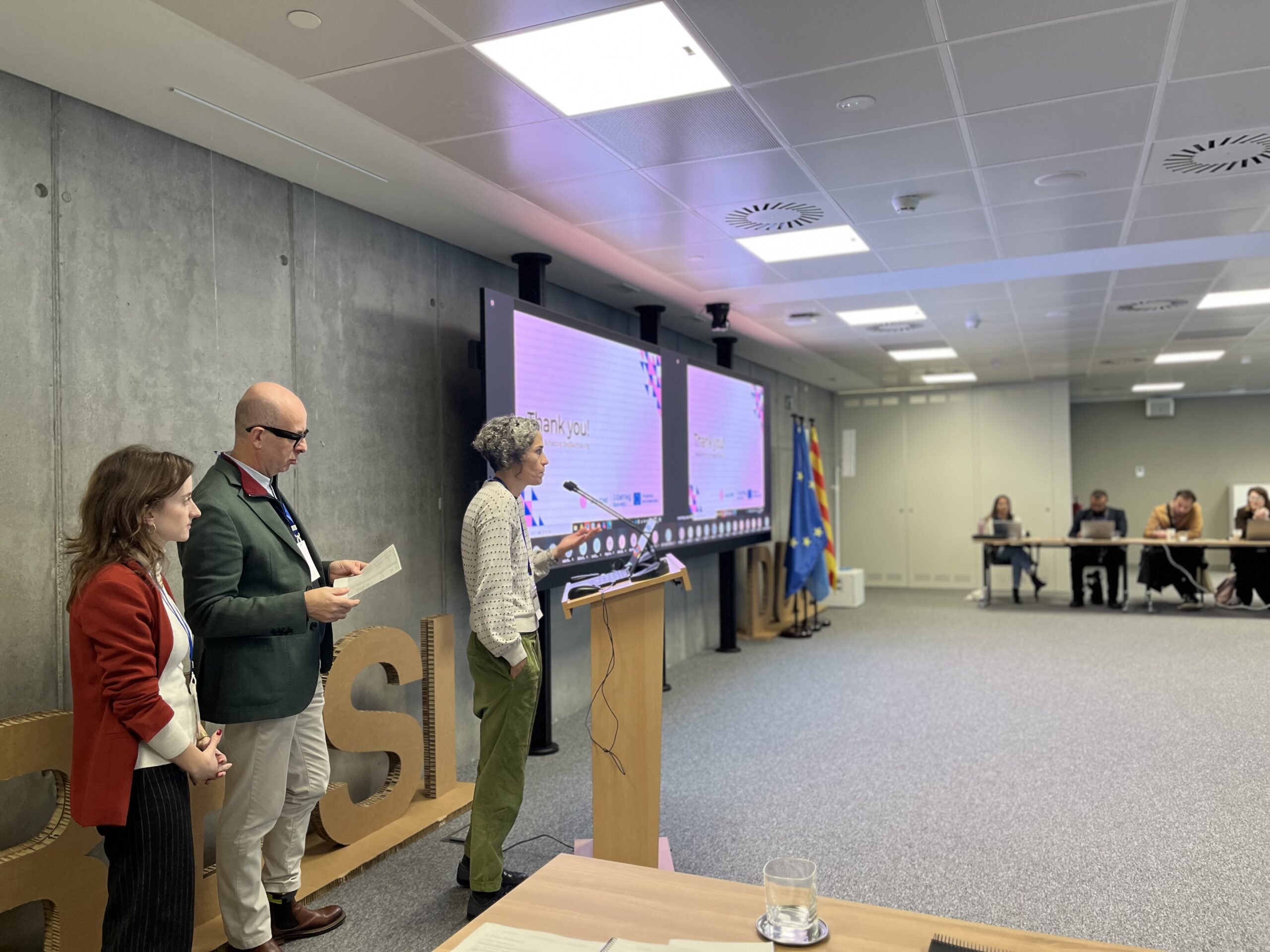
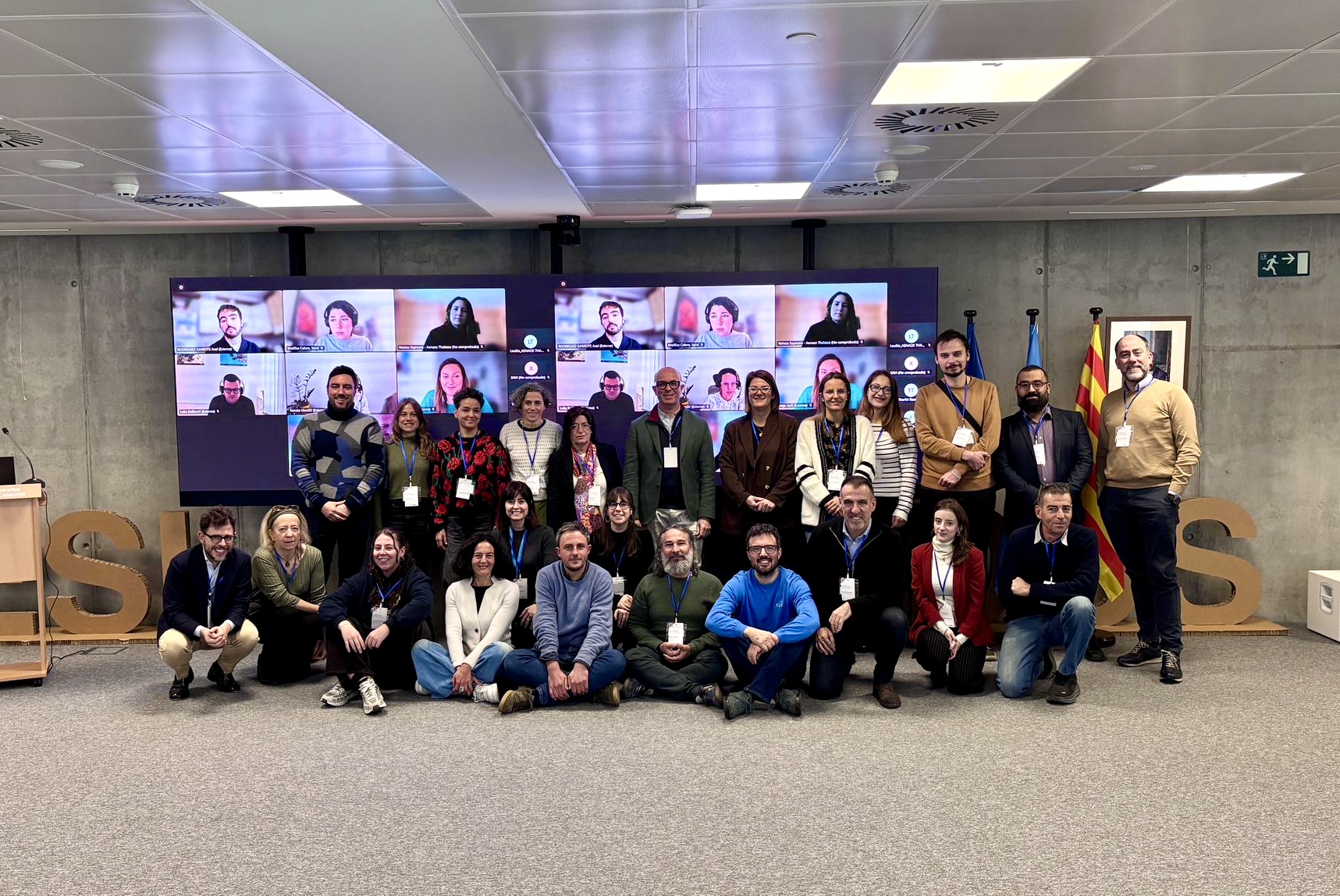
The first day of the meeting set the tone for a collaborative and forward-looking project start. After welcoming remarks by MedWaves Director Jesús Maestro, the consortium received guidance from the Interreg Euro-MED Joint Secretariat, represented by Axel Rodríguez Garrote, followed by insights from the Community4Tourism Thematic Community shared by Josep Rodríguez. The Lead Partner Project Coordination Team Alessandro Miraglia, Ignasi Mateo, Matías Ibáñez Sales, and Núria Manchado Puchol presented the project’s governance structure, coordination requirements, and communication approach. This helped establish clarity, alignment, and a shared understanding of responsibilities among partners. The afternoon sessions focused on the project’s overall vision and operational roadmap. Presentations from MedWaves (Ignasi Mateo), Rezero (Jennifer Berengueras Rollin) and ACR+ (Zuzana Boháčová) introduced the strategy behind the three main Work Packages -Study, Test, Transfer- and how these will guide the work throughout the project’s duration. Although not all partners could join physically in Barcelona, many actively participated online. Their engagement ensured that the full consortium contributed to shaping the project’s direction—and they were proudly included in the project’s “family picture.”
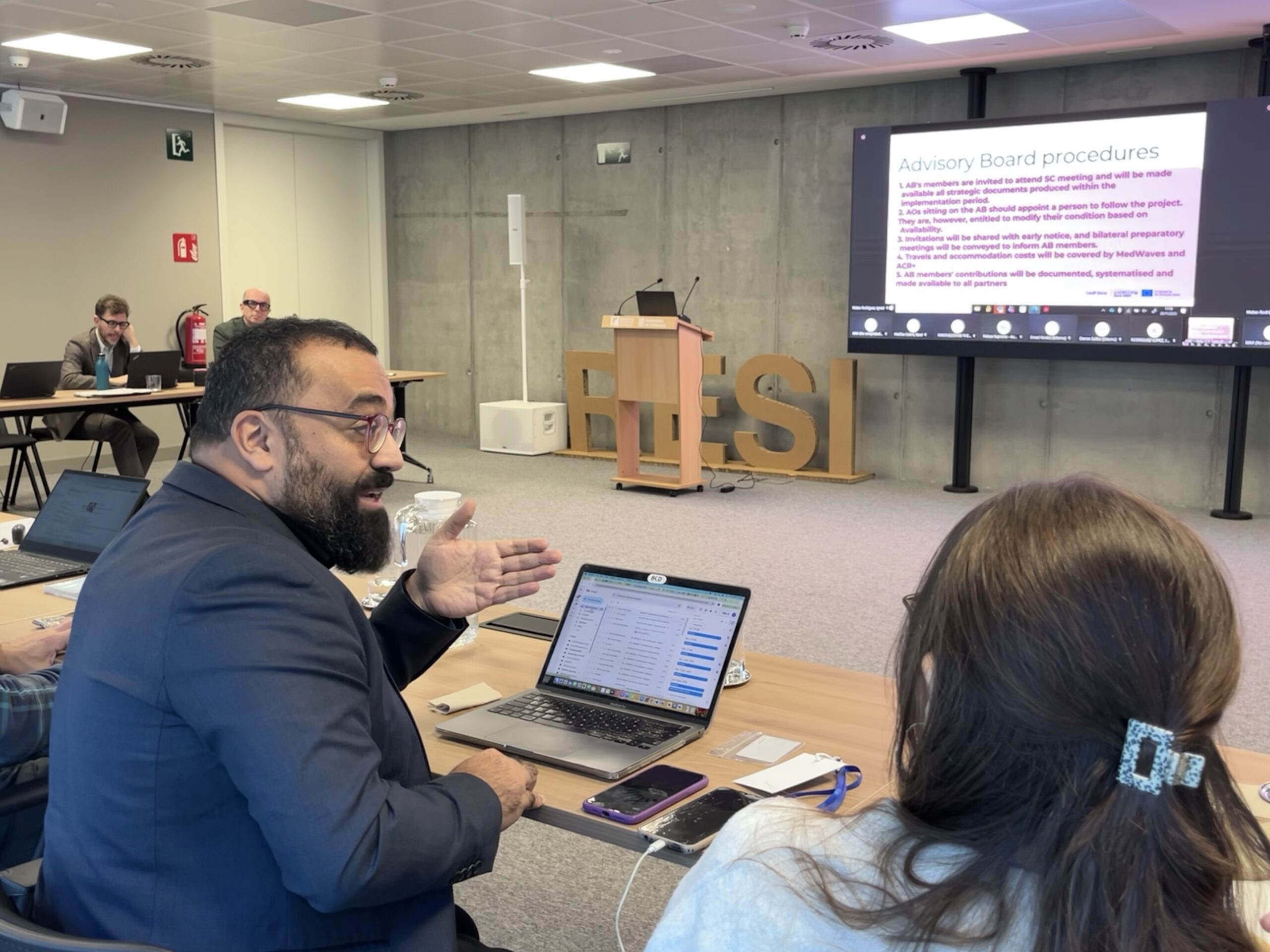
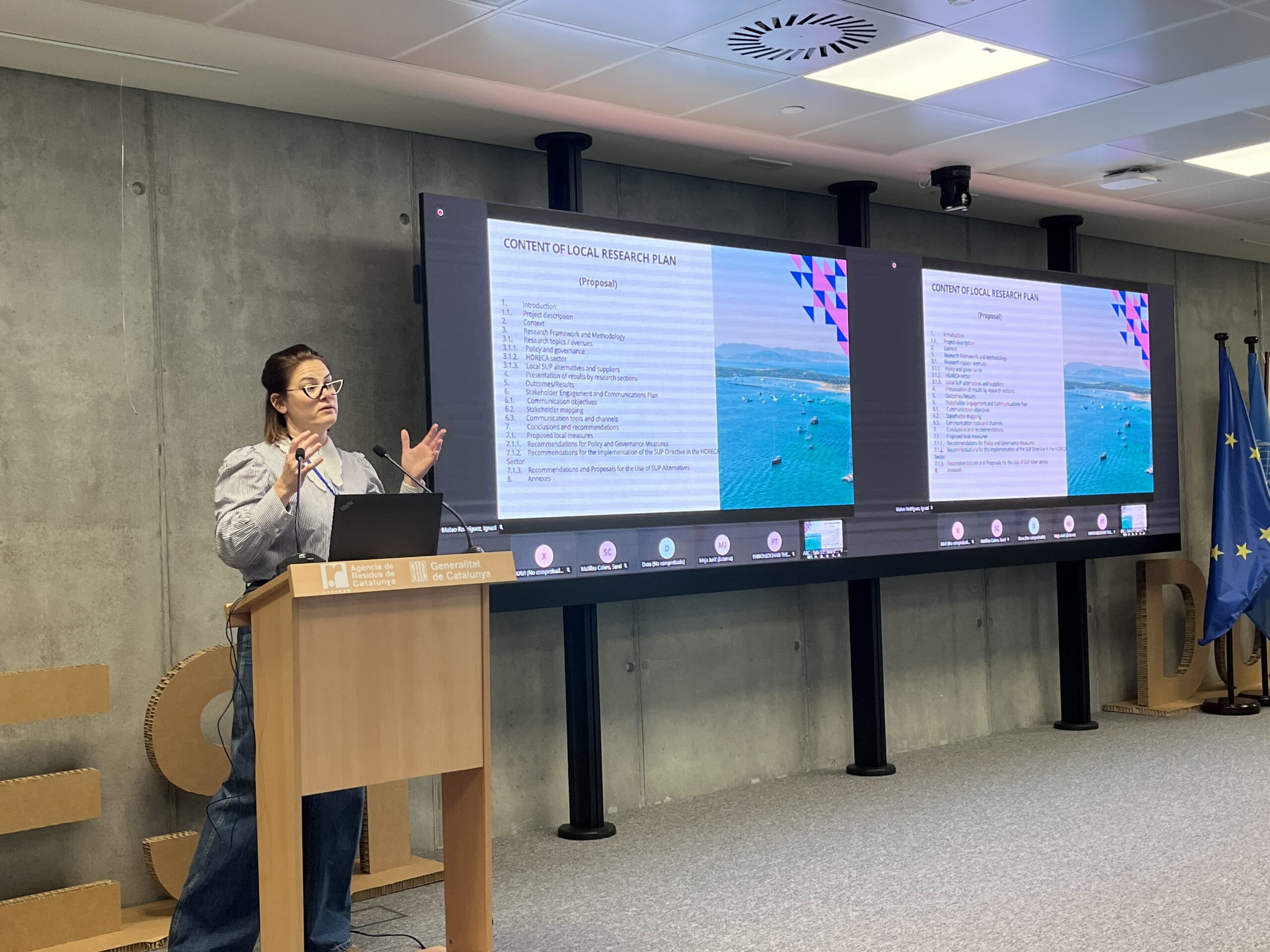
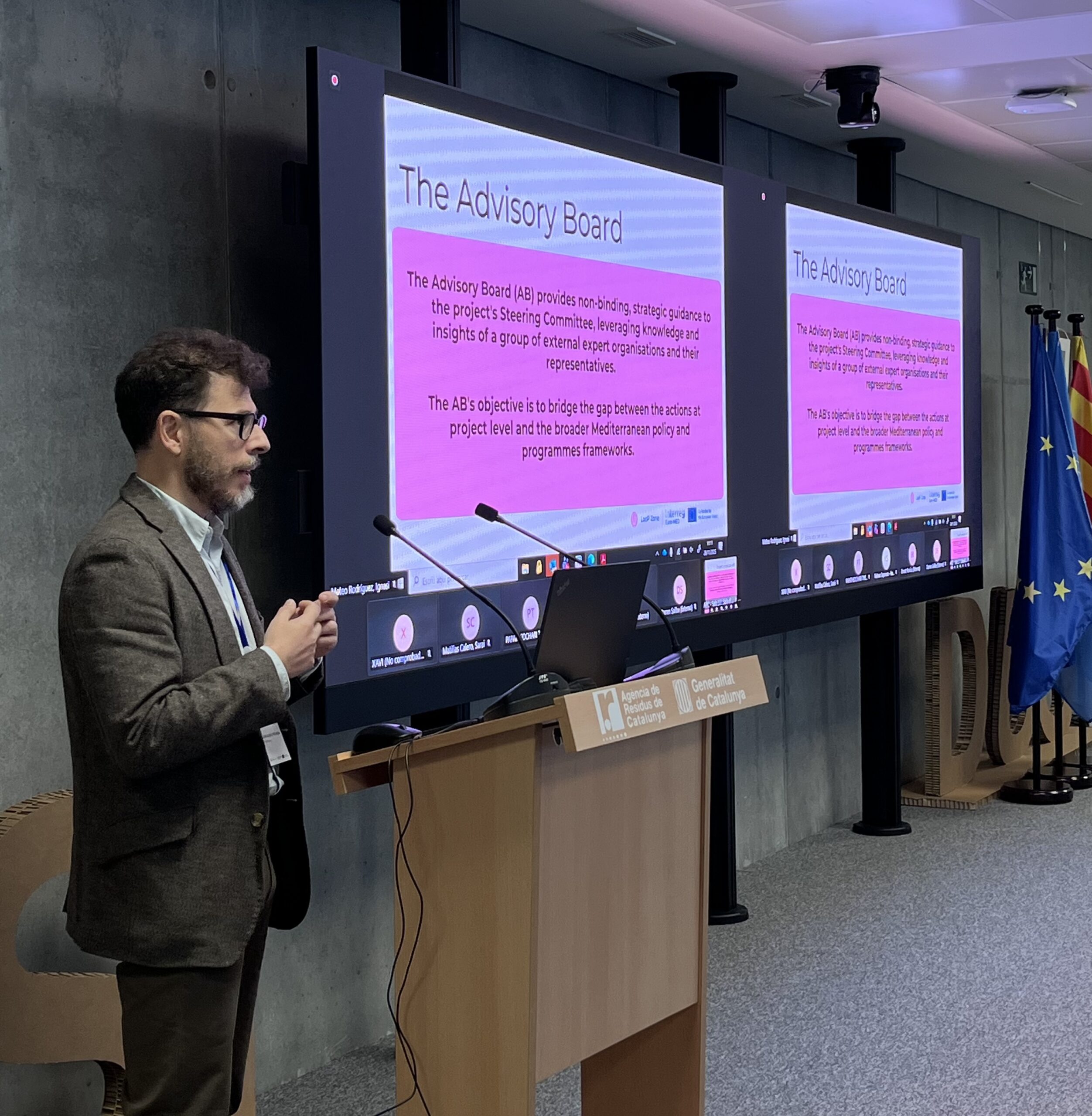
The second day began with a session dedicated to defining the research plans that each pilot implementation partner will develop. Under the guidance of Sunce (Tea Kuzmičić), partners discussed methodologies, data needs, and the steps required to assess plastic use and reduction potential within their respective pilot islands. A key milestone of the day was the introduction of the project’s Advisory Board—a diverse group of Mediterranean experts whose strategic, technical, and policy insights will help ensure the project’s long-term impact. Their role will be essential in connecting LooP Zone’s on-the-ground actions with broader policy frameworks and regional sustainability goals. During the meeting, the consortium heard from the following Advisory Board members:
🏝️ Save the Med Foundation – Anna Valls & Tupa Rangel
🏝️ SMILO – Small Islands Organisation – Ambre Badiqué
🏝️ New ERA – New European Reuse Alliance – David Esteban Muñoz
🏝️ BUSINESSMED – Union of Mediterranean Confederations of Enterprises – Zied Dabbebi
🏝️ OTIE – Observatory on Tourism for Islands Economy – Mª Luisa Bonomolo
🏝️ University of Thessaly – Dora Papatheochari
MOVING FORWARD
The Barcelona Kick-Off Meeting marked the beginning of a collaborative and impactful journey for the LooP Zone consortium. Over the coming months, partners will work together to:
- Build the tools and research frameworks necessary to measure plastic use on pilot islands
- Support businesses—especially in the hospitality sector—in reducing their plastic footprint
- Test circular-economy approaches tailored to Mediterranean tourism
- Transfer results and best practices to other islands and coastal regions
The project places strong emphasis on communication, knowledge sharing, and awareness-raising. To ensure broad outreach and engagement, LooP Zone will maintain an active online presence via its website and social media channels.
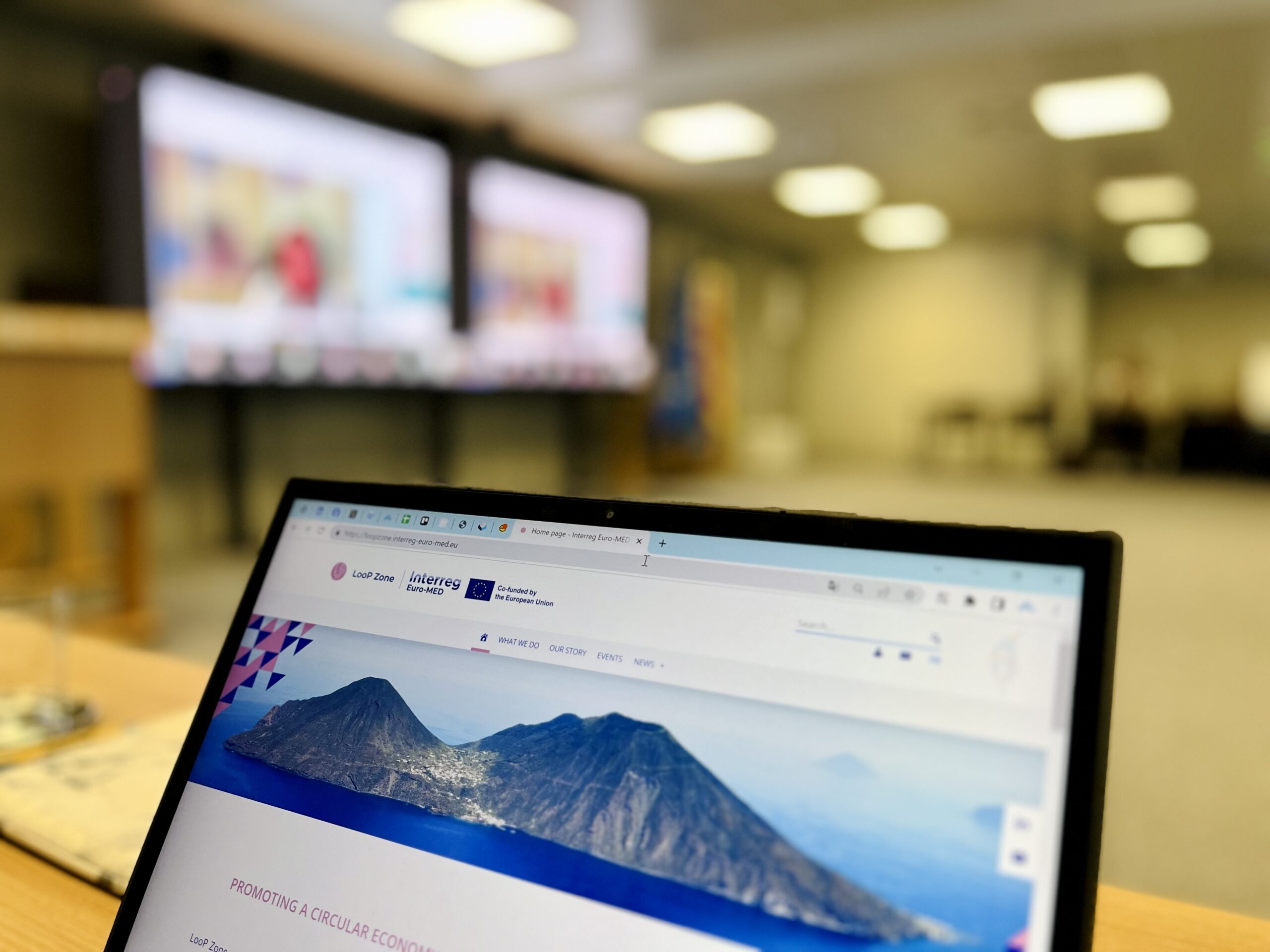
You can follow updates, news, and project progress on the LooP Zone website and also on our Linkedin Page.
PHOTO GALLERY